Teknisa: challenges overcome in Offshore food management

Plan menus quickly and efficiently, optimizing resources
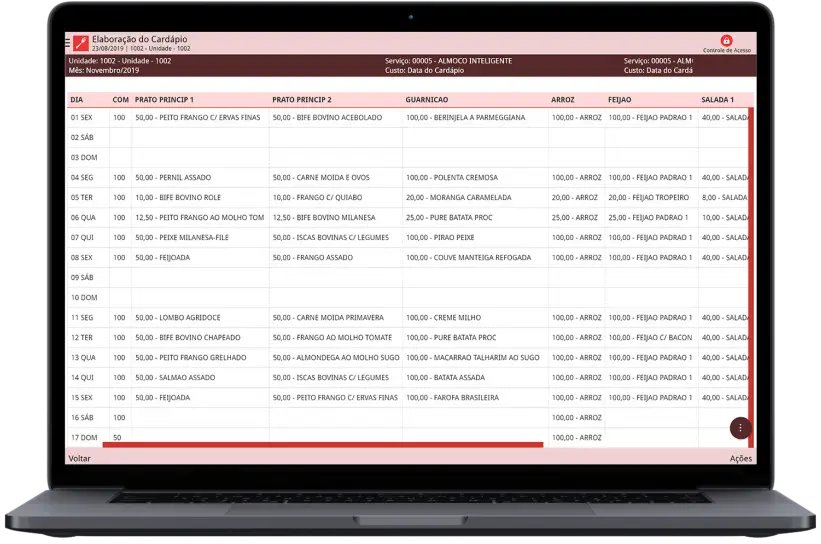
Create menus with precision, based on the volume of POB (people on board) and the per capita quantity of preparations per platform, which allows for an accurate calculation of purchases and effective stock management, with batch control and product expiry dates and integration with periodic inventories. In addition, it uses service reservation applications, which show consumption intentions, optimizing the production cadence.

Reduce errors in the distribution of ground stock to platforms
Define rotating inventory routines that allow you to monitor and manage stock and highlight possible deviations, using applications that allow you to scan QR Codes or individual barcodes for each product. Facilitate the distribution of products to platforms by importing requisitions with the supply needs of each vessel.

Avoid waste by producing the right amount of food
Plan, control and calculate all the equipment, such as toiletries and linen, according to the number of people on board (POB) and the stock position. Make the purchase of these items through the purchasing portal in an agile and practical way, consistent with the previously defined assumption.

Increase profits and results through assertive decisions
Define assumptions and cost targets for each platform, ensuring the predictability of operations. Minimize extra purchases and high logistics costs by using stock control tools that guarantee accuracy in order generation. Rely on algorithms to obtain the best purchasing options and guarantee operational efficiency.
ROI - Return on your investment in systems

Control your costs with the TecFood system and reach:
Reduction of 2.0% in the cost of the menu,
Reduction of 2.0% in purchasing costs,
Disminution of 1.5% in stock levels,
Increase of 1.5% in invoicing
We guarantee an average saving of 7% per month.
Offshore feeding: efficient management with data analysis
How can our solutions optimize your management?
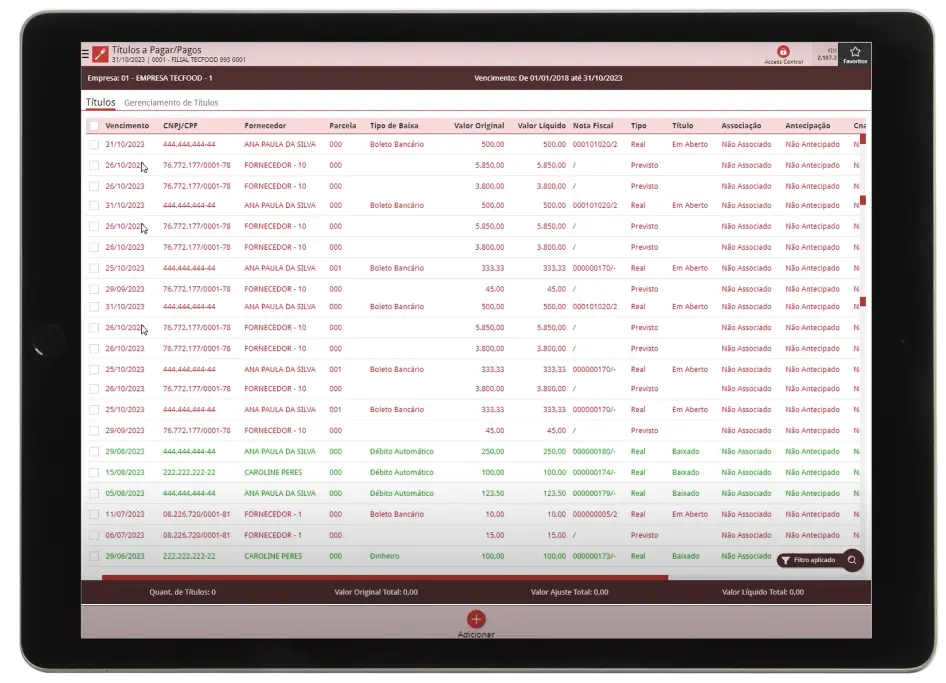
- CMV control: Implementing strategies and using advanced tools to keep the Cost of Goods Sold (COGS) within the established targets, ensuring effective cost management and maximizing profitability.
- Approval and Workflow: Rigorous systematization of menu approval and purchasing processes through automated workflows, ensuring that all purchases are perfectly aligned with the planned budget and contribute to operational and financial efficiency.
- Automatic calculation: Tools for calculating turnover automatically and accurately.
- Advanced Contract Management: Modules to manage contracts efficiently, including differentiated prices and adjustments.
- AI technology: Use of artificial intelligence for headcount and customer loyalty through satisfaction surveys.
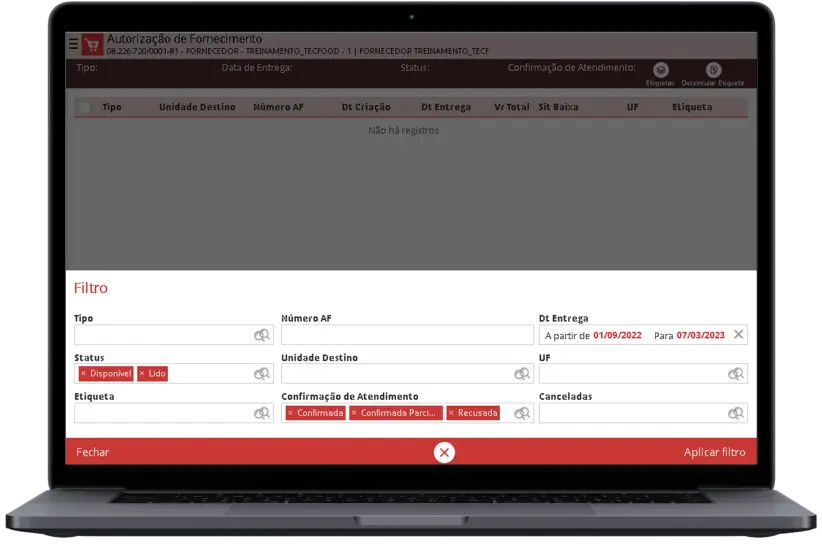
- Purchasing automation: Consolidation of purchase requests in a single environment and automatic calculation of the real need to purchase products requested by a UAN.
- Stock management: Monitoring of all stock movements, guaranteeing a reduction of up to 1% in stock costs, as well as control of the value, quantity and expiry date of products in stock.
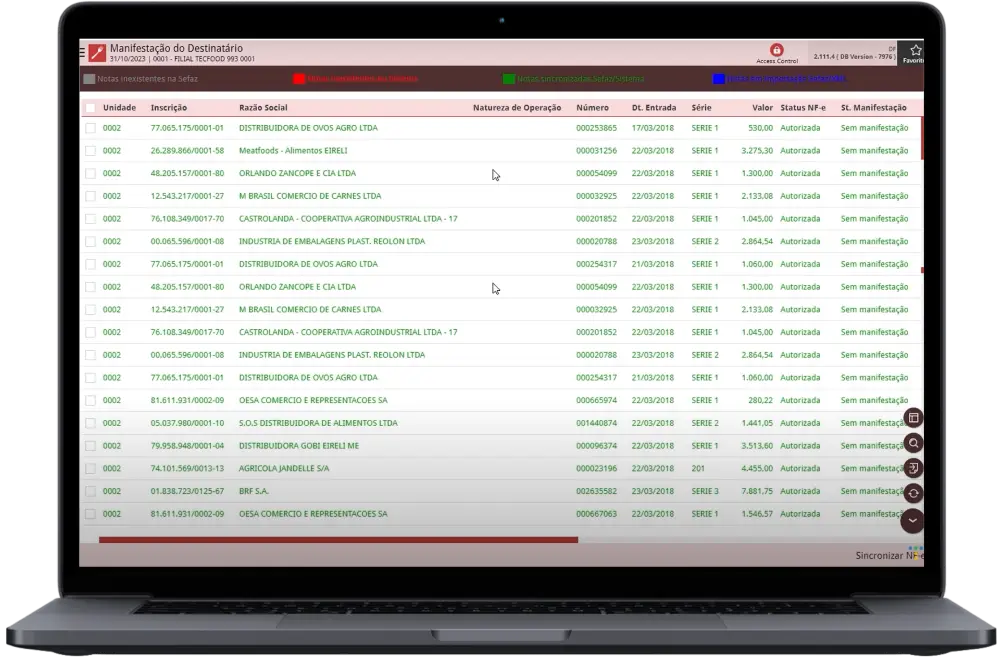
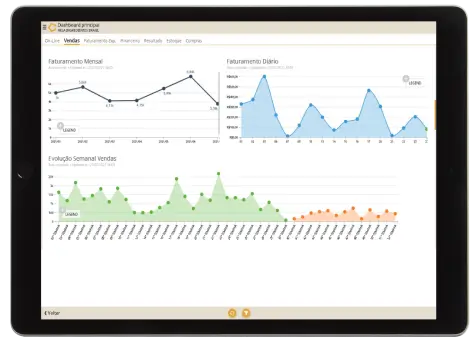
- Data Analysis with BIBusiness Intelligence tools for detailed analysis of the budget versus what has been achieved and streamlining monthly closing.
- Increased turnoverStrategies to increase earnings, such as selling extra products, shops and delivery apps.
- Diversification of ServicesImplementation of additional services such as facilities, gastronomic islands and others, with the aim of increasing revenue.
- Cost Optimization in Menu Development: meticulous control of costs when drawing up menus, in line with pre-established budgets and using in-depth analysis of monthly menu data.
- Advanced Fixed Cost Management and ApportionmentDetailed management of fixed costs with the flexibility to apportion expenses and profits to each service offered, improving financial efficiency.