


Restaurante: how to ensure efficiency, profitability and market success
Managing a restaurante requires a balance between financial management, stock control, product quality and customer service.
Whether it's a burger joint, patisserie, açaiteria, coffee shop, snack bar, restaurante self-service, contemporary cuisine or bar and restaurante, the challenges vary, but good practices to achieve success are essential for all establishments in the sector.
Below, we explore the best strategies for optimizing the operation of your restaurante, reducing costs and building customer loyalty.
Financial management and cost control in restaurante
Regardless of the type of restaurante, keeping a close eye on costs is essential for ensure financial health and enable sustainable growth.
In this sense, having a system for restaurante specialized can facilitate the monitoring of expenses, the automation of processes and the detailed analysis of operating expenses, allowing for more assertive decision-making.
In addition, the Cost of Goods Sold (CMV), The ratio between the cost of inputs and the turnover of restaurante should be closely monitored.

Without efficient control, there is a risk of significant financial losses, This has a direct impact on the profitability of the business. Therefore, monitoring this indicator on an ongoing basis allows you to identify opportunities to reduce costs and adjust operations according to demand, avoiding waste and improving profitability.
Correct pricing to ensure profitability in restaurantes
Pricing is one of the most important challenges for restaurantes, as the price of products must cover costs, generate profit and, at the same time.., be competitive in the market. In general, the calculation should take into account:
- Cost of ingredients and inputs;
- Fixed expenses such as rent and payroll;
- Taxation and administrative fees;
- Positive profit margin;
- Prices charged by competitors.
However, each type of establishment must take into account its specific characteristics when defining its pricing. An example of this is confectionery and coffee shops, where the cost of preparation can include time and technical skill, which must be reflected in the final price.
In addition, there are different pricing methods, two of the most common being markup and contribution margin pricing. .
Markup: the markup is a multiplying factor applied to the cost of the product to define the selling price. It takes into account all direct costs (such as ingredients) and indirect costs (such as rent and energy), as well as the desired profit margin.
For example, if a hamburger costs R$ 10.00 to produce and restaurante wants a profit of 50%, the markup could be 1.5 , resulting in a final price of R$ 15.00 .
Contribution margin pricing: a Contribution margin pricing takes into account not only the direct costs of the product, but also the fixed costs of the restaurante and the expected invoices. The idea is to calculate a price that covers the fixed costs and still generates a profit.
For example, if a restaurante has a monthly fixed cost of R$ 10,000.00 and needs to sell 1,000 dishes a month, it can calculate the price needed so that each sale contributes a proportional amount to cover these costs and generate a profit.
By using these methods, restaurante avoids charging prices that are too low, which could jeopardize profitability, and prices that are too high, which could save customers. This ensures a balance between competitiveness (attractive price on the market) and profitability (sustainable profit margin for the business). .
Stock control in restaurante to avoid waste
Each gastronomic segment makes stock management differently. This is because while a hamburger shop needs to have strict control over meat and buns, an açaiteria needs to manage frozen selections and complements. A self-service restaurant, on the other hand, must pay extra attention to the amount of daily production to avoid leftovers. In fact, this management is directly linked to good planning of the menu for restaurante self-service.
To avoid waste and ensure better use of inputs, some practices are essential in the day-to-day running of restaurantes. One of the most efficient methods is PEPS (First In, First Out), This ensures that older ingredients are used before newer ones.
This strategy is especially important for açaiterias, patisseries and snack bars, where products have a short shelf life and need to be constantly renewed to maintain quality and avoid losses.
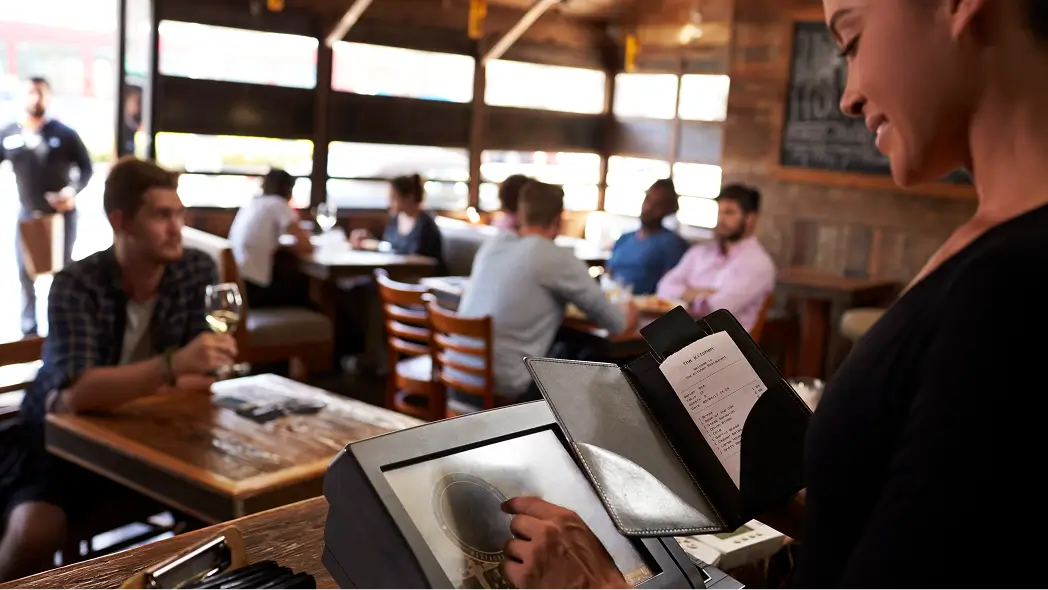
Periodic inventories are also necessary. Count on a bar system is crucial at this point, because he help controlling the stock of selected drinks, prime cuts of meat and fresh ingredients.
With this control, it is possible to identify possible excesses, foresee the need for measures and, consequently, reduce waste.
Similarly, monitoring product turnover helps to adjust purchases in line with restaurante's actual demand, avoiding both a shortage of essential supplies and a backlog of goods that could end up expiring unused.
With well-managed stock, the restaurante reduces financial losses and guarantees products that are always fresh.
Use of management systems for more efficient processes in restaurantes
Technology can be a great ally in the management of any restaurant, such as a restaurant with rotation, because it offers more safety, control and efficiency at all stages of the operation. In this sense, the use of a specialized management system, such as Teknisa, becomes essential for maintain organization and avoid failures.
With a robust system, it is possible:
- Monitor costs and revenues in real time, This ensures a clear vision of the profitability of the business and allows for strategic adjustments whenever necessary;
- Automate stock and supplier control, avoiding waste and preventing disruptions that could jeopardize customer service;
- Integrate orders and deliveries, synchronizing the operations of the salon, kitchen and delivery services to minimize errors and delays;
- Generate detailed financial reports, It also provides strategic data for safer decision-making and more assertive growth projections;
- Ensure compliance with health and tax regulations, This facilitates audits and ensures that all regulations in the food service sector are followed correctly.
Specific solutions to optimize operations and ensure greater efficiency in the restaurante
When you think of how fast food works of success, agility is a central pillar. In this sense, burger restaurants and snack bars can count on agile POSs and integration with delivery platforms, making it easier to organize orders and speed up service, whether at the counter or via apps. Similarly, understanding what it takes to open a pizzeria involves planning efficient delivery logistics, which also depends on an integrated system
The restaurantes self-service need systems that help control the weighing and flow of customers, guaranteeing precision in charging per kilo and avoiding excessive queues, which significantly improves the consumer experience.
In the case of patisseries and coffee shops, The use of production management systems is essential for efficient planning, as it makes it possible to keep up with demand and avoid wasting ingredients such as milk, chocolate and flour.
On the other hand, açaiterias and bars can benefit from recipe control and order customization, making the process of assembling dishes and drinks faster and more organized.
In cozinhas contemporâneas and sophisticated restaurants, which often operate with a à la carte system, By investing in ingredient traceability systems, you can guarantee that each item used has a reliable origin and meets the highest quality standards demanded by the public.
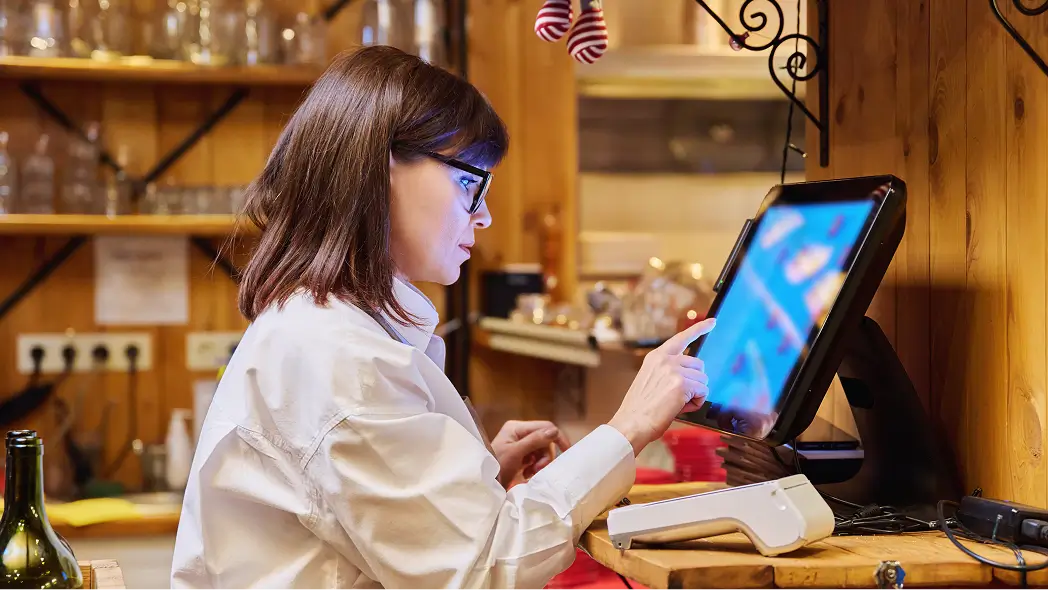
With so many features available, it's clear that investing in a management system is no longer a differentiator, but a necessity. After all, technology not only automates processes, but also improves operational safety, optimizes the use of resources and increases financial predictability.
Thus, by adopting a specialized system, restaurants are able to operate more efficiently, avoid waste and, above all, ensure sustainable growth in the highly competitive market.
Sustainability and waste reduction in restaurants
Another point that deserves attention is the waste of inputs, which can generate significant losses and jeopardize the restaurant's operation.
However, with proper stock control, it is possible to avoid unnecessary losses and ensure that ingredients are used in the best possible way.
Some key strategies include:
- Strict monitoring of expiry dates: This is essential for bakeries and coffee shops that use perishable supplies such as milk, chocolate and fresh fruit. A traceability system can help control deadlines and avoid premature disposal.
- Intelligent use of inputs: bars can reuse fruit for cocktails, natural syrups and even the same infusions for non-alcoholic drinks. Açaiterias, on the other hand, can create seasonal versions of their products, using seasonal fruit to improve the use of ingredients and avoid leftovers.
- Intelligent use of the buffet in self-service restaurants: instead of keeping large volumes of food on display for long periods, you can adopt gradual measures and smaller portions. This avoids waste without compromising the customer experience. In addition, implementing informative labels can encourage consumers to serve themselves more consciously.
- Planning purchases and production on demand: Many contemporary kitchens already use software to predict the consumption of certain items and adjust purchases according to demand. This is especially useful for restaurants that work with fresh, high value-added ingredients.
With these practices, the restaurant reduces financial losses, improves operational efficiency and guarantees the quality of the products served to customers. .
Sustainable partnerships for a positive impact
In addition to internal practices, working with suppliers aligned with sustainable principles can also generate benefits for both the restaurant and the environment.
Some actions that make a difference include:
- Buying ingredients from local producers;
- Use of biodegradable or recyclable packaging;
- Adoption of sustainable and certified meats;
- Reduced water and energy consumption.
In addition communicating these initiatives to the public - whether through social networks, informative menus or certifications visible in the restaurant - it is possible to strengthen the brand's identity and win over customers who value responsible companies. .
Marketing and customer loyalty
Having a quality product is essential, but only if youwithout an efficient marketing strategy, a restaurant can miss out on valuable growth opportunities. After all, the gastronomic experience doesn't just begin when the customer places their order, but in the way the establishment positions itself in the market and interacts with the public.
That's why investing in digital marketing, loyalty programs and online reviews are essential for attracting new customers and, at the same time, encouraging recurrence.
Digital presence to attract more customers to your restaurant
Nowadays, being present in the digital environment is no longer a differentiator, but a necessity. A restaurant that invests in its online identity is much more likely to be found and recommended.
For this, it is important to maintain an up-to-date and attractive profile on social networks, with high-quality photos and videos. This is because this type of media arouses public desire and conveys the essence of the menu.
Pastry shops and burger bars, for example, can stand out with well-produced images of desserts and artisanal snacks. Coffee shops and bars, on the other hand, can use videos showing how drinks are prepared.
If you're thinking of starting your own business in this segment, check out our complete guide on “how to open a coffee shop from scratch.”
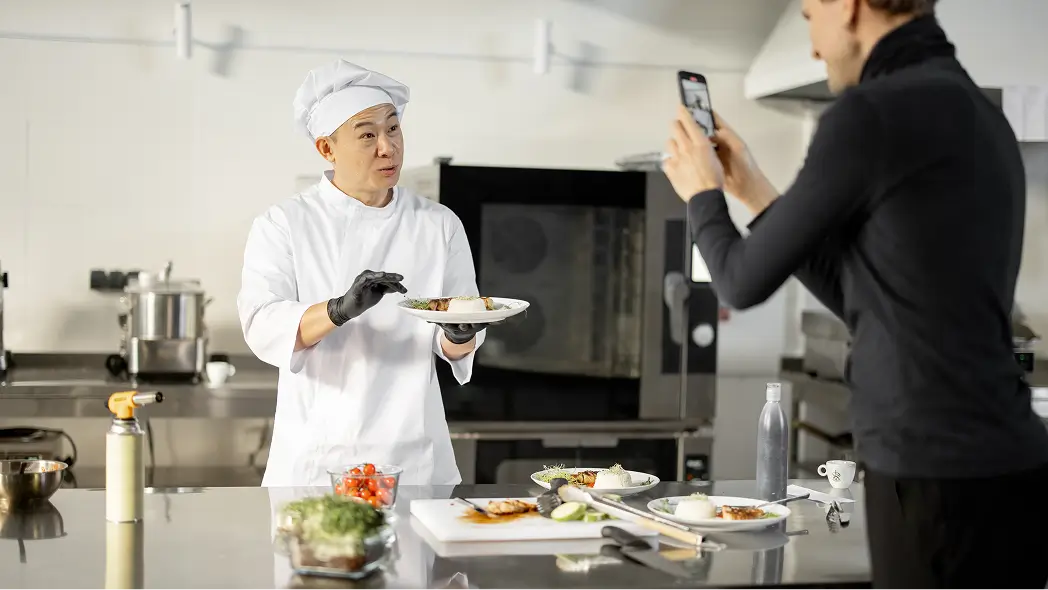
In addition to aesthetics, engagement is essential. Restaurants that interact with followers, respond to comments quickly and create exclusive promotions to increase audience retention and generate more visibility.
Likewise, maintaining an optimized profile on Google My Business makes it easier to locate the establishment and improves its positioning in search results, This is especially important for self-service restaurants and snack bars, which rely on a large number of local customers.
Loyalty programs to encourage returns
Attracting new customers is essential, but ensuring that they come back often is what really sustains a restaurant's success. Loyalty programs are great for increase recurrence and increase the average ticket.
Coffee shops, for example, can offer a loyalty card in which the customer gets a free coffee for every ten consumed. Hamburgers and snack bars can offer progressive discounts for frequent customers.
In addition, exclusive benefits on special dates, such as birthday coupons or cashback on purchases over a certain value, are effective ways of strengthening the relationship with the public and encouraging new visits.
What's more, this strategy not only builds customer loyalty, but also increases the chances of spontaneous recommendations, This has a direct impact on brand acceptance.
Online reviews to strengthen your restaurant's credibility
Finally, a restaurant's digital commission has a significant influence on customers' decisions. Well-rated establishments on Google, iFood and TripAdvisor tend to attract more customers, Many people look for references before choosing where to eat.
To create good evaluations, it is essential to offer impeccable service, ensuring that the customer experience is positive from start to finish.
What's more, ask for feedback in a natural way, After payment or through automatic messages in the delivery for restaurants, can be a good technique to adopt. The most important thing, however, is to always respond to all reviews, whether positive or negative.
Showing attention and commitment to quality reinforces the restaurant's trustworthiness and conveys confidence to the public.
Conclusion
Running a restaurant requires much more than offering tasty dishes. To achieve success, it is essential to balance financial management, cost control, technology, marketing and sustainable practices. Every detail, from correct pricing to customer loyalty, has a direct impact on profitability and the customer experience.
What's more, the adoption of a specialized management system can be a game changer for optimizing processes, avoiding waste and ensuring an efficient operation. By investing in technological tools, it is possible to make more strategic decisions, reduce costs and improve the quality of the service provided. .
Ultimately, a well-run restaurant not only attracts new customers, but also builds a solid relationship with those who already know the brand. Implementing good management, innovation and sustainability practices is not just a trend, but the path to sustainable and competitive growth in the food service sector.
Want to take your restaurant management to the next level? Discover Teknisa's solutions and find out how technology can transform your business!
You might also like to read:
- Hamburgers: strategies for business success
- Confectionery: innovations for success in the sector
- CMV in restaurantes: reduce costs and increase your profits
- A la carte system: the secret to optimizing and making more profit
- How to open a coffee shop from scratch: learn how to stand out
- How to create the best menu for a self-service restaurant
- What does it take to open a successful pizzeria?
- Bar systems: how to manage your business and make more profit
- Mini market system: strategies to expand your business
- How successful fast food works: data and automation
- Casters: a guide to operating and delighting customers
- Delivery for restaurants: increase the average ticket for your service
- Marketing para restaurantes: estratégias para crescer e vender
- Empresas do Sistema S: redução de custos e integração
- Franquias de alimentação: o que é e como investir com sucesso
- Órgãos públicos: como modernizar a gestão de pontos de venda?
- Gestão de restaurante com BI: transforme dados em lucro real
- Sistema para padarias: como integrar produção e vendas
About the Author: Isabella Cunha

- 1
- 2
- 3
- 4
- 5
- 6
- 7
- 8
- 9
- 10
- 11
- 12
- 13
- 14
- 15
- 16
- 17
- 18
- 19
- 20
Interested in finding out more?
So don't hesitate to get in touch with one of our consultants. The chat is without obligation! :)
- 1
- 2
- 3
- 4
- 5
- 6
- 7
- 8
- 9
- 10
- 11
- 12
- 13
- 14
- 15
- 16
- 17
- 18
- 19
- 20